Summary
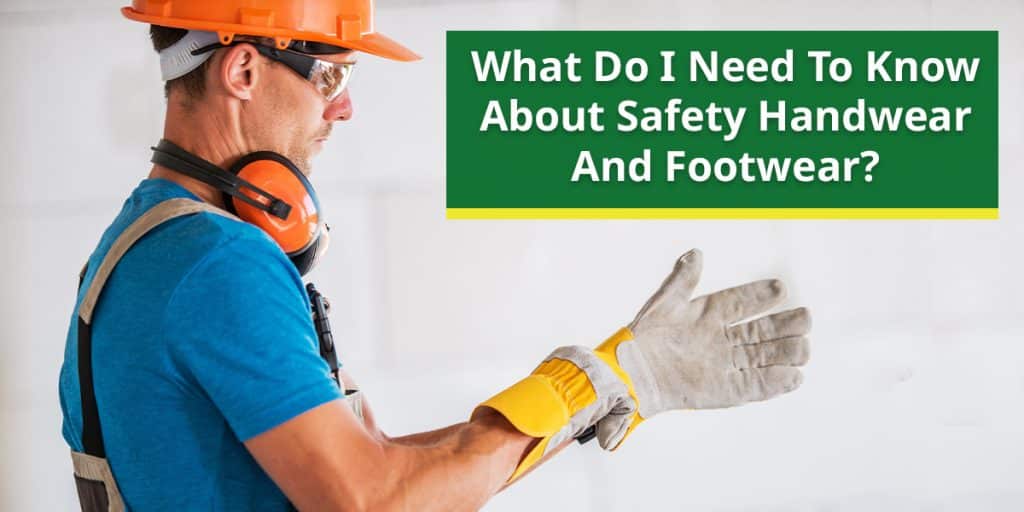
Safety handwear and footwear are essential for reducing workplace injuries and ensuring compliance with safety standards. This guide explains ANSI cut resistance levels, footwear ratings, and how to match protection to job hazards. Readers will learn how proper selection improves safety, productivity, and worker confidence across various industries.
Key Highlights
Understand ANSI cut resistance levels from A1 to A9 classifications
- Identify appropriate glove types based on job tasks and hazards
- Evaluate safety footwear ratings including toe protection and sole puncture resistance
- Match protective equipment to specific workplace risks and compliance requirements
- Improve worker safety outcomes through proper PPE selection and fit
Injuries on the job aren’t just a financial risk, they also impact productivity and morale. Providing workers with the right safety equipment in Ottawa reduces the risk of injuries and ensures compliance with provincial requirements.
Safety Handwear Protection Levels
In 2016, the American National Standards Institute (ANSI) and International Safety Equipment Association (ISEA) released standards pertaining to cut resistance safety gloves. Using this scale, you can provide personal protection equipment to match the job more effectively. The scale ranges from A1 to A9.
- A1 – small parts assembly and general purpose gloves
- A2 – injection and moulding plastics, pulp, and paper
- A3 – handling raw materials in manufacturing and construction
- A4 – food prep and HVAC
- A5 – handling glass or metal sheets
- A6 – glass manufacturing or metal fabrication
- A7 – meat processing or metal stamping
- A8 – metal recycling or heavy assembly
- A9 – sharp metal stamping or metal fabrication
Choosing the right gloves for the job gives your workers the best protection for their skilled hands!
Safety Footwear
Safety footwear is available in multiple ratings for different job sites and the risks involved. It’s important to choose footwear based on the hazards for each type of job site. The soles can include puncture protection or not. The toes have protective caps that are graded for protection. Worksites that require safety footwear should include information about fit and selection of footwear to ensure the right type is provided.
Ottawa Fastener Supply has all the safety equipment you need for your Ottawa job site including the protective footwear and handwear for your specific projects. Contact us for more information.
FAQ’s
What do ANSI cut resistance levels mean for safety gloves?
ANSI cut resistance levels range from A1 to A9 and indicate how well gloves resist cuts from sharp objects. Lower levels are suited for light tasks, while higher levels provide protection in high-risk environments like metal fabrication or glass handling. Selecting the correct level ensures adequate protection without sacrificing dexterity.
How do I choose the right safety gloves for my job?
Choosing safety gloves depends on the materials handled, level of cut risk, and required dexterity. Tasks involving sharp materials require higher ANSI ratings, while general work may only need basic protection. Proper fit and comfort are also critical to ensure workers consistently wear the gloves.
What features should I look for in safety footwear?
Safety footwear should be selected based on workplace hazards, including impact, compression, and puncture risks. Key features include protective toe caps, slip-resistant soles, and optional puncture-resistant plates. Proper fit is essential to prevent discomfort and ensure long-term usability on job sites.
Why is proper PPE selection important for workplace safety?
Proper personal protective equipment reduces injury risks, supports regulatory compliance, and improves overall productivity. When workers are equipped with suitable handwear and footwear, they can perform tasks more safely and efficiently, minimizing downtime and enhancing workplace morale.
Are safety footwear requirements the same for every job site?
Safety footwear requirements vary depending on industry and job-specific hazards. Construction, manufacturing, and industrial environments may require different protection levels. Employers must assess risks and ensure workers are provided with footwear that meets safety standards and site-specific conditions.
About The Author:
Nic Danis has built his career in the fastener and tools industry, working his way through nearly every role, from warehouse operations and shipping/receiving to order picking, inventory control, contractor counter sales, and management. Starting on the warehouse floor, he developed hands-on expertise in products and operations, later expanding into customer-facing roles where he became known for finding practical solutions and saying, “Let me find out for you.” Today, Nic brings deep product knowledge, leadership experience, and a customer-first mindset, helping contractors and DIY customers choose the right tools and fasteners for the job.